Why I Used the Observer Pattern for a Tiny Fitness App
The observer pattern gets taught as a textbook example. Building a real-time fitness chart that updates from multiple sources made it earn its keep.
Charts that update from a single source can get away with pull-based updates. Once you have two (workouts and heart-rate samples landing on different cadences) you either invent the observer pattern badly, or use it.
The thing that surprised me wasn't the pattern. It was how much cleaner the test surface got when the chart didn't know where its data was coming from, only that something it was watching had changed.
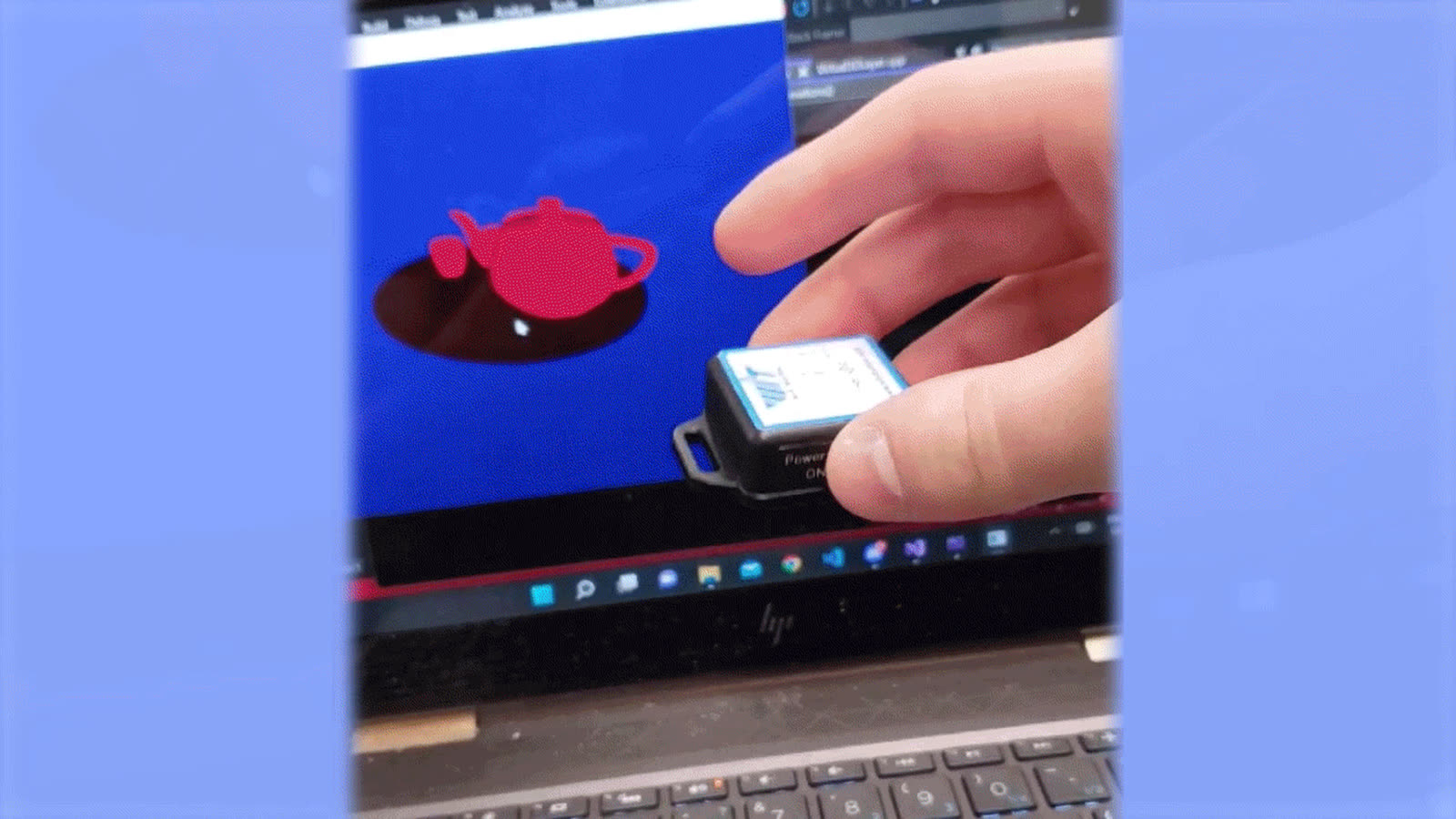
Quaternions, IMUs, and a Wireless C++ App That Doesn't Lie About Drift
Reading IMU data over wireless and turning it into a stable 3D rotation in OpenGL is mostly an exercise in fighting drift honestly. The hardware lies; the math tells you when.
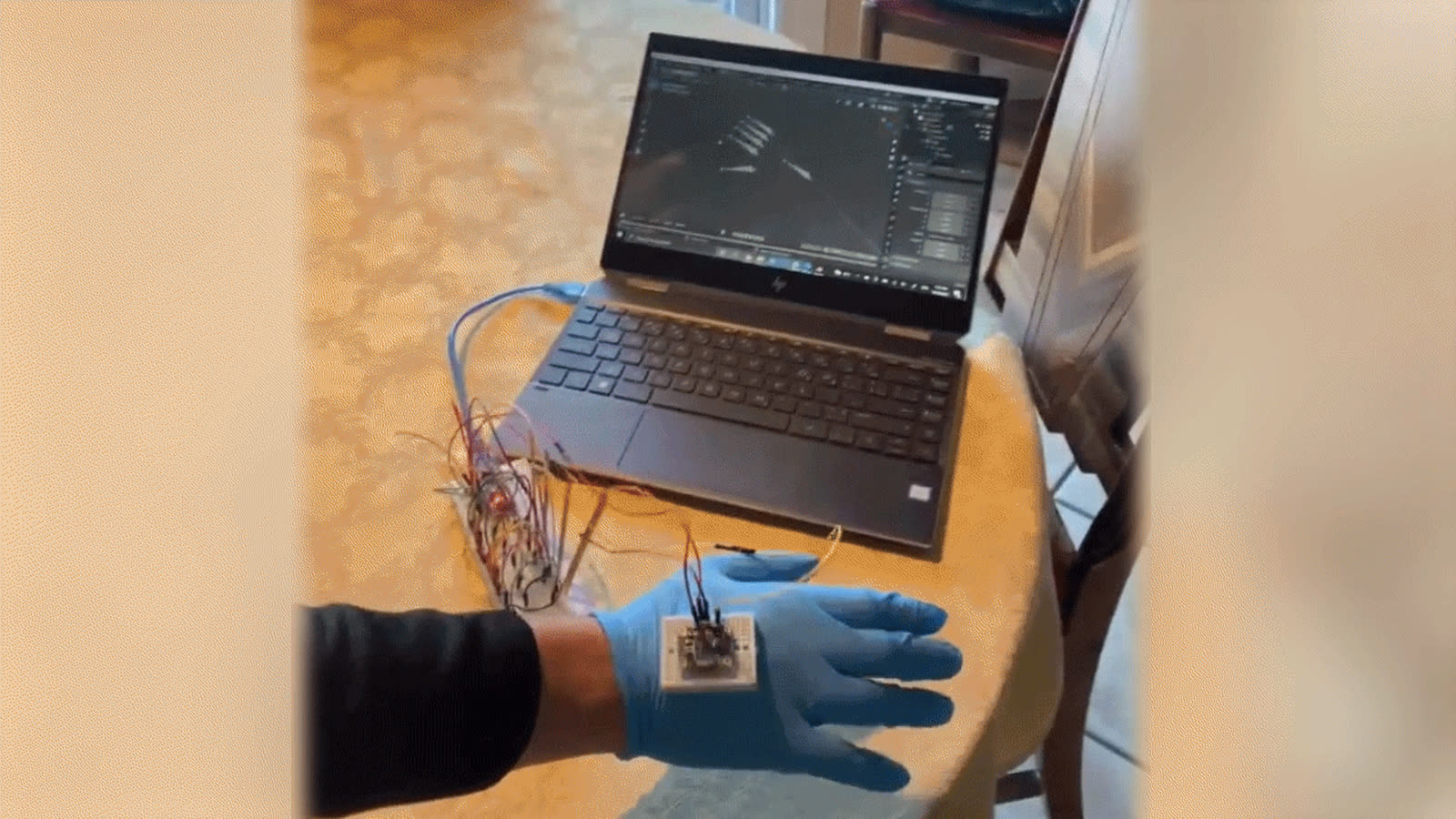
Wiring a Glove to a 3D Hand
Arduino, a fistful of IMUs, the Blender Python API, and the joy of watching a virtual skeleton wave back at you for the first time.