Oct. 2026
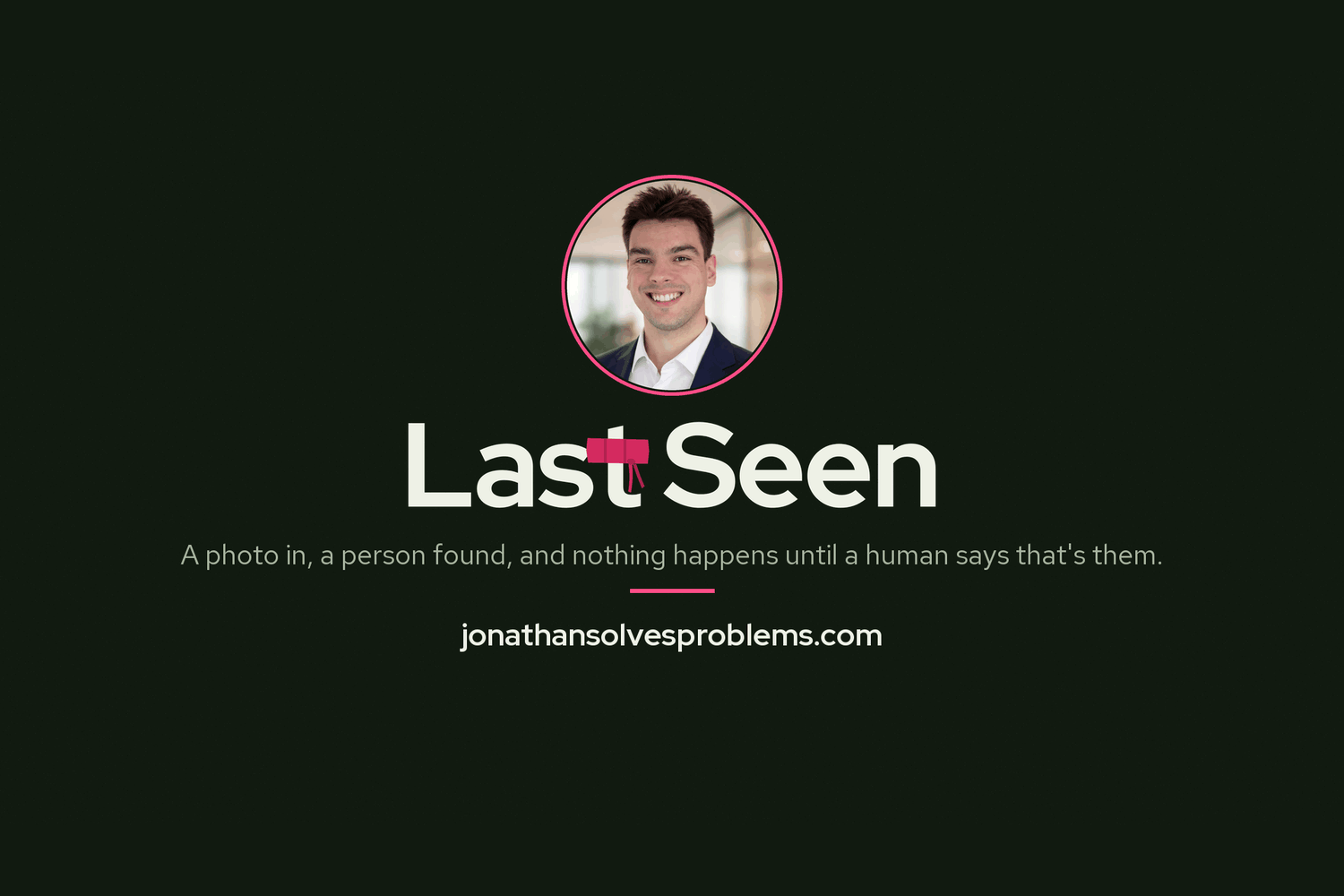
Last Seen: an eleven-year-old drone finds a person from one photo with OpenCV 5, asks a human "Is this them?", and only then follows
Entry for the OpenCV AI Competition 2026. Picture a search coordinator at a park at dusk: a man with dementia walked away from his care home an hour ago, she has one photo from this morning and one…
OpenCV 5: the new cv2.dnn engine running a YOLO11n person detector on a laptop CPUOpenCV Model Zoo person re-identification network, fused with HSV clothing histogramsOpenCV camera model, ArUco markers and solvePnP for pixel-to-ground and the camera checkClaude as the mission agent, with six strict tools and every decision in trace.jsonl+3
Oct. 2026
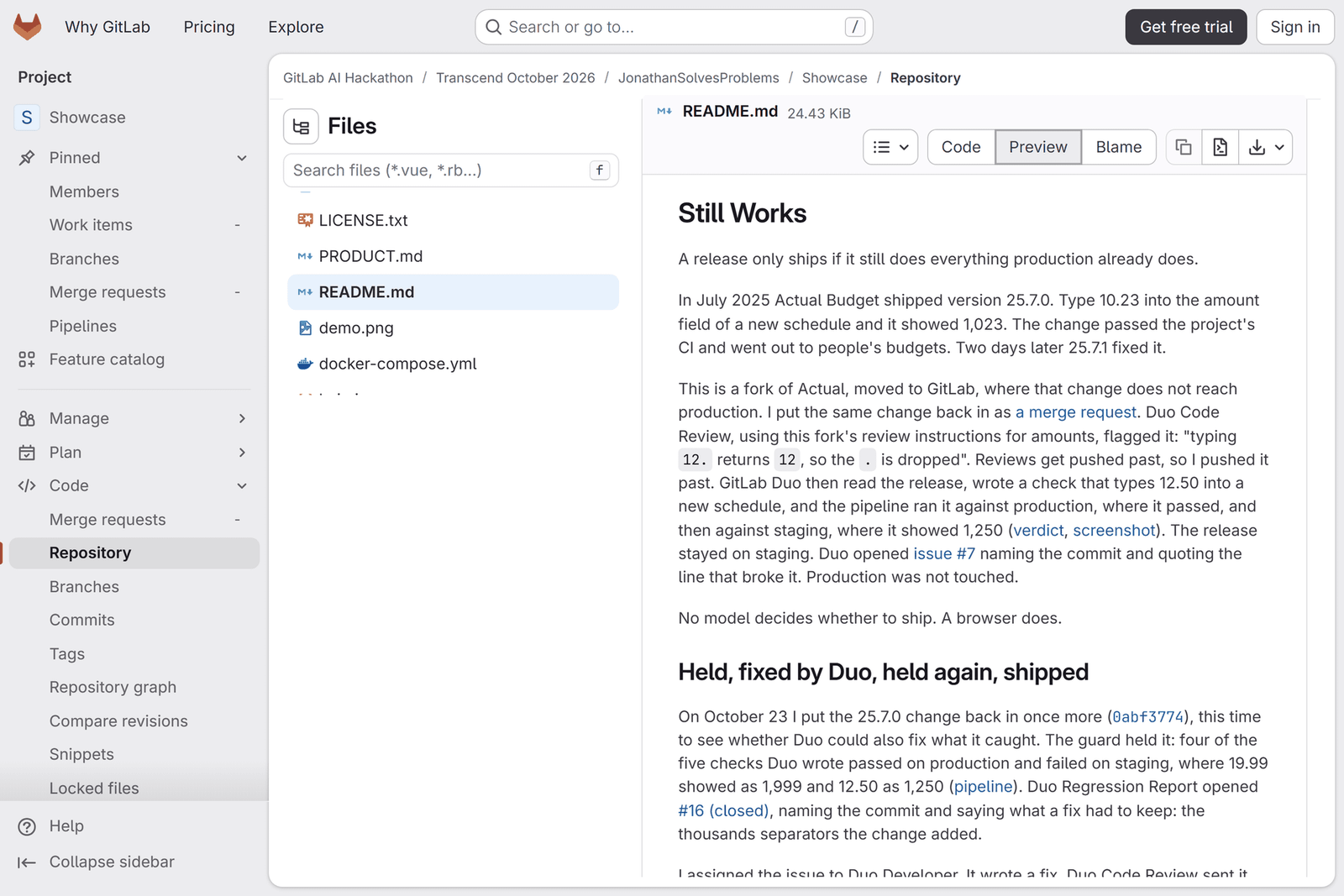
Still Works: Actual Budget moved onto GitLab, where GitLab Duo writes browser checks from what production already does and a release only ships if it still does all of it
Entry for the GitLab Transcend Hackathon, Life After Code (Path B, Hands-off). In July 2025 Actual Budget shipped version 25.7.0, and typing 10.23 into the amount of a new schedule saved 1,023…
GitLab Duo Agent Platform: three custom flows (Release Guard, Regression Report, Release Notes) and a Release Manager agent, published to the AI CatalogGitLab Duo Code Review with three custom review instructions, and Duo Developer started by its assign and mention triggersGitLab CI/CD across all nine stages: environments, Releases, SAST, secret detection, dependency and container scanning, a six-hourly production watchPlaywright release checks written by Duo and calibrated on production before they count+2
Oct. 2026
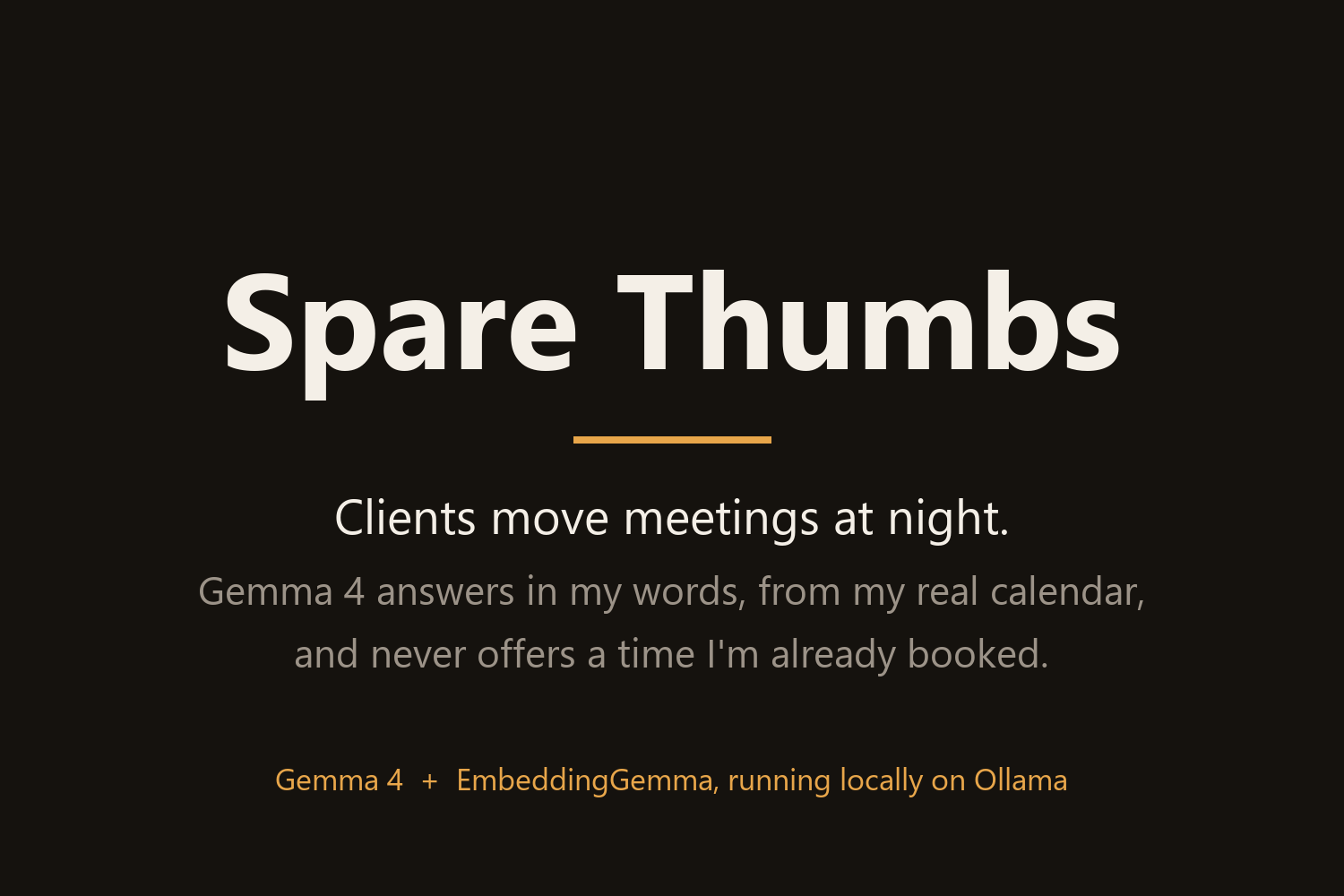
Spare Thumbs: Gemma 4 on my laptop answers "can we move the meeting?" in my words, from my real Google Calendar, and never offers a time I am already booked
Entry for the DEV Hacktoberfest Open-Source AI Challenge, Week 3: Slow and Steady, where the theme rewards laziness. Clients move meetings at night: "something came up Thursday, could we do Friday…
Gemma 4 (gemma4:e4b) with native function calling, running locally on OllamaEmbeddingGemma for retrieving my own past repliesPython 3.11 agent loop with five tools: find_meetings, check_calendar, draft_reply, move_event, hand_offGmail API (drafts in the client's thread) and Google Calendar API (moving the event)+3
Oct. 2026
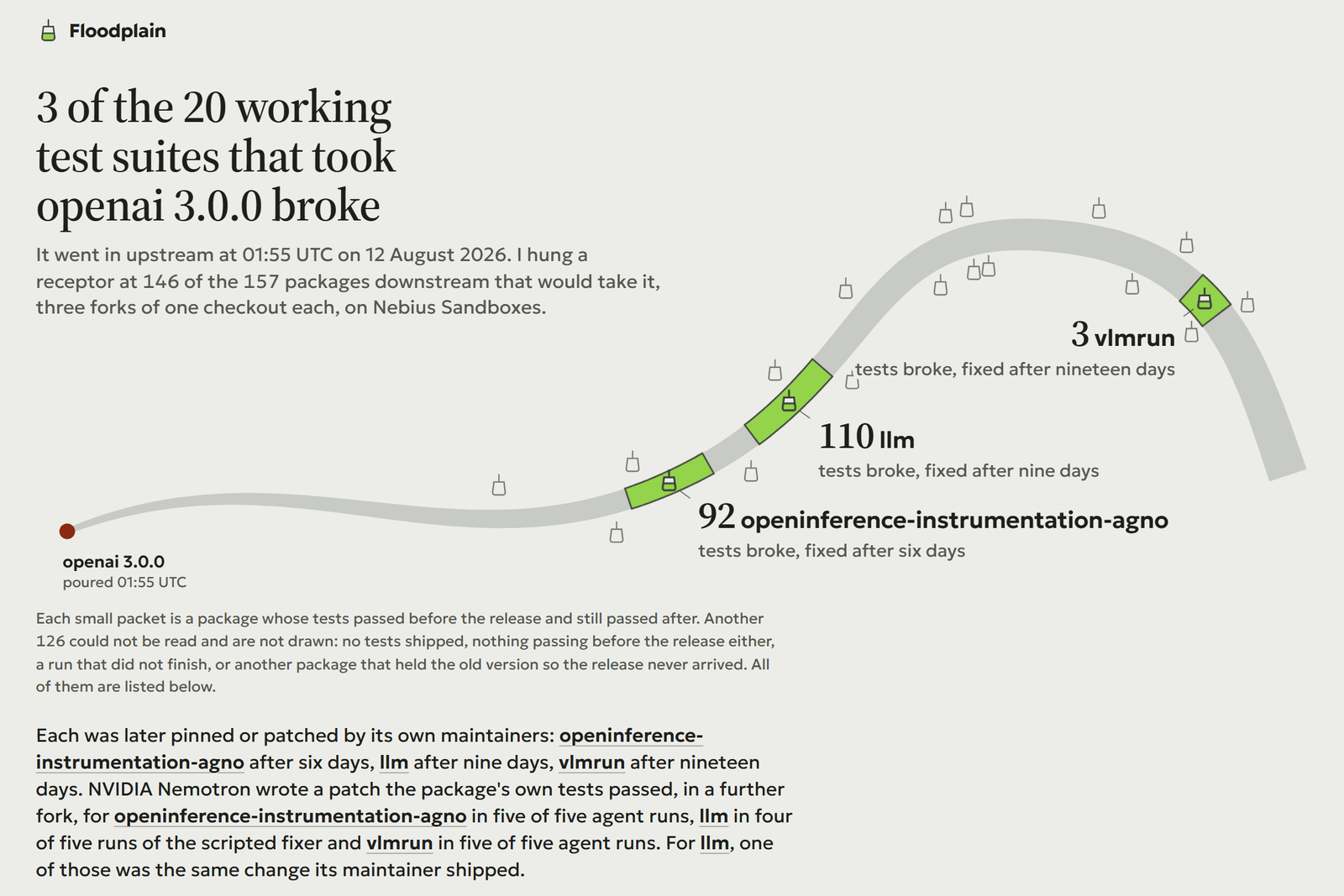
Floodplain: run before openai 3.0.0 shipped, it finds the 3 packages the release breaks, and NVIDIA Nemotron writes fixes their own test suites pass
Entry for the Nebius x NVIDIA Global AI Hackathon (October 2026), Coding and Agentic Engineering track. At 01:55 UTC on 12 August 2026, openai 3.0.0 swapped its HTTP library from httpx to httpx2.…
NVIDIA Nemotron 3 Nano, Super and Ultra on Nebius Token Factory, with native tool calling for the fixer agentNebius Token Factory Sandboxes: one checkout per dependent, forked for every test run, command and patchTavily search and extract for migration guidance, with date and self-reference guardsuv, resolving each fork against the PyPI index frozen by upload time+3
Oct. 2026
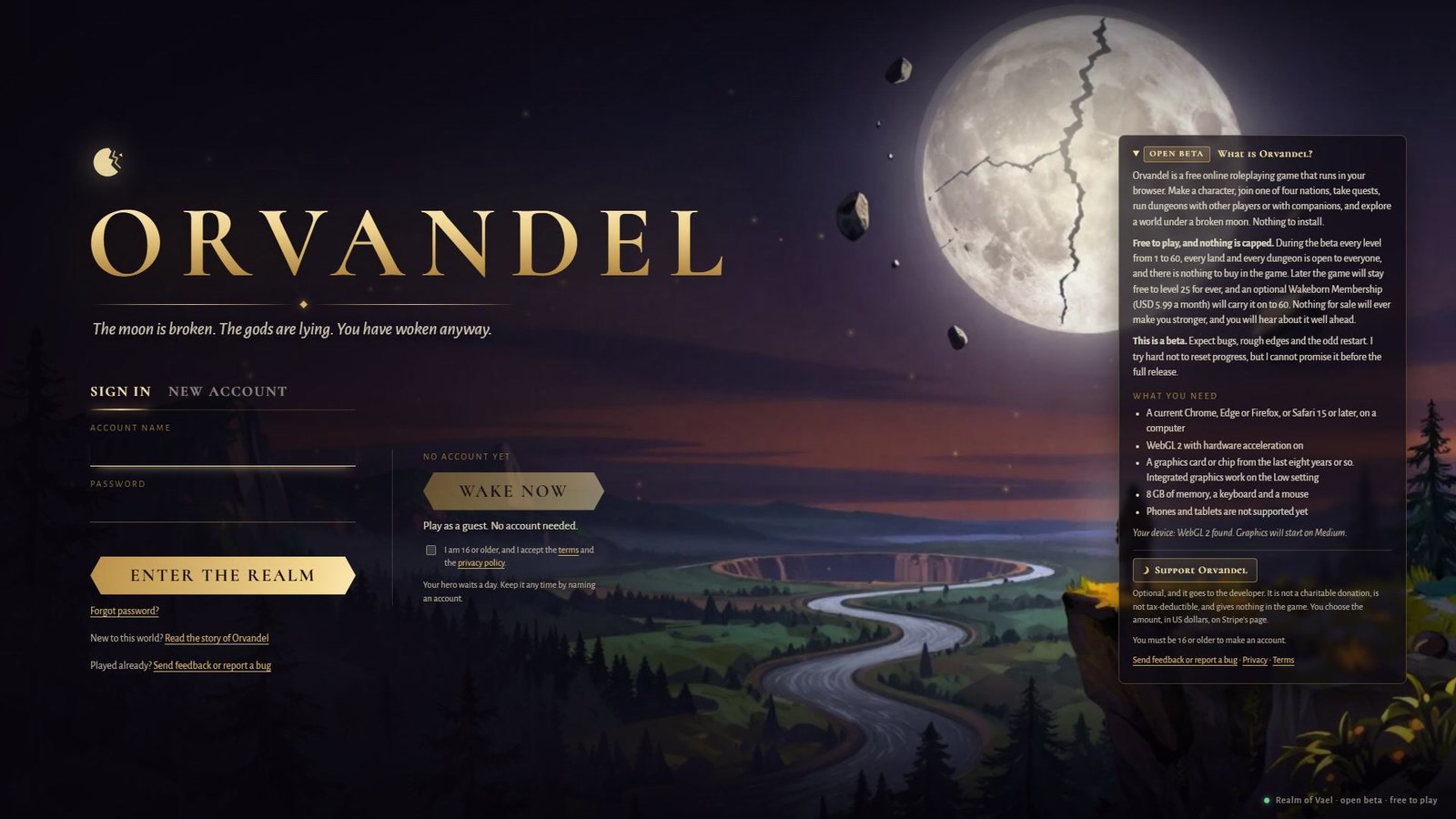
Orvandel: an original browser MMORPG under a broken moon, where one click on Wake now puts you in the world as a ready hero with no account, download or form
Entry for Build With AI: Basics 2026 on Devpost. Orvandel is an original browser MMORPG I started on October 9, 2026: levels 1 to 60, four nations with two races each, ten classes with a signature…
TypeScript end to end, about 110,000 lines outside testsThree.js and WebGL 2 for the clientCloudflare Workers with Durable Objects (one per zone) and D1An authoritative world simulation at 10 ticks per second, shared by a Node + SQLite server for local play+3
Oct. 2026
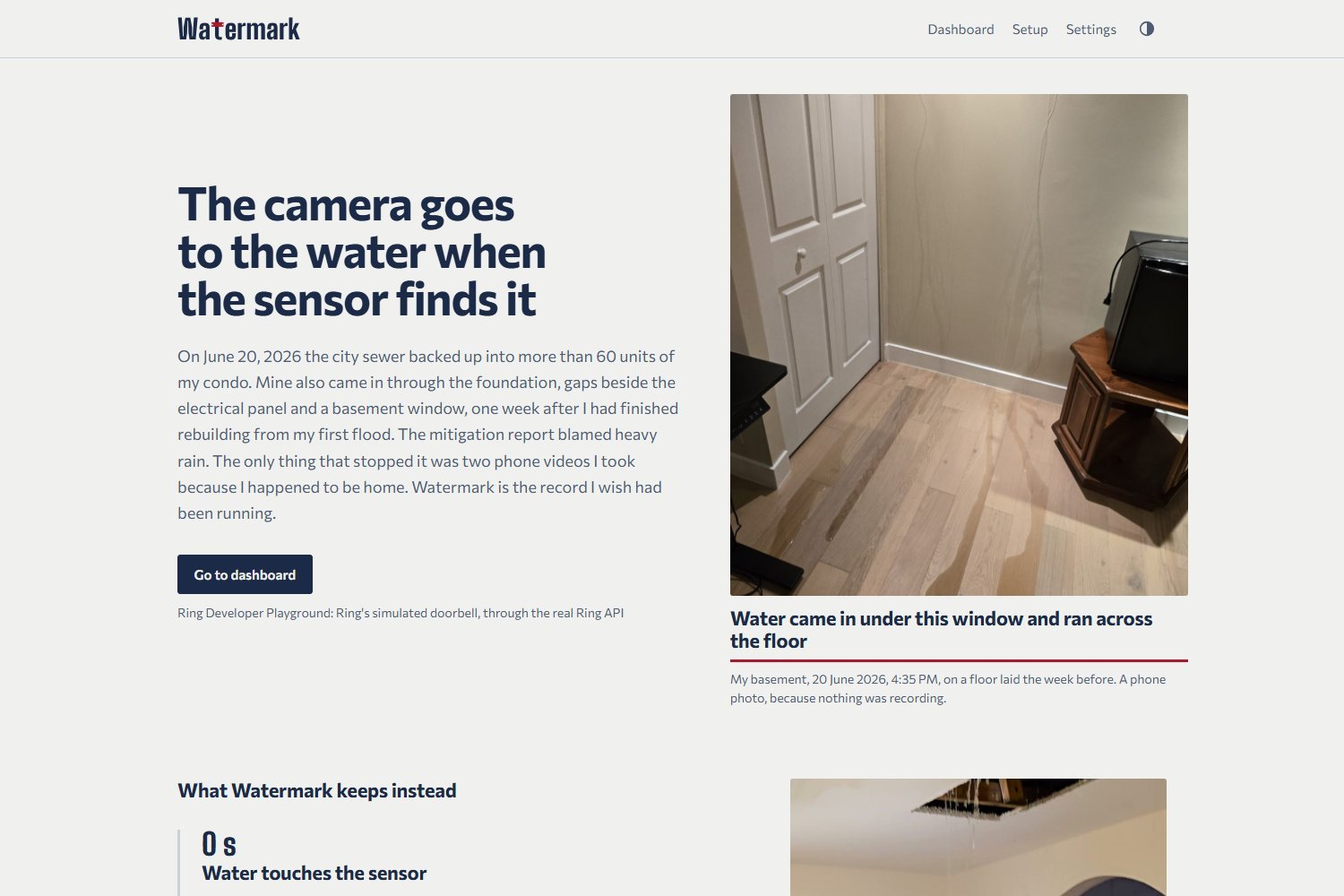
Watermark: when a Ring flood sensor fires, a Ring camera records the water and the homeowner gets an evidence pack their insurer can use
Entry for the Ring track of Build, Ship, Shape: Amazon Developer Hackathon (October 2026), with the AWS Builder and Open Source mini-challenges. On June 20, 2026 the city sewer backed up into more…
Ring Partner API: account linking, sensor webhooks, WHEP live sessions, image download with Ring's own timestamps, event history, chime playbackringwire, the typed Python client for the Ring Partner API I wrote and published to PyPIAmazon Rekognition DetectLabels for frame labelsAWS IoT Core for rover dispatch over MQTT, Amazon S3 for frames and packs, Amazon EC2 (Graviton) for hosting+4
Oct. 2026
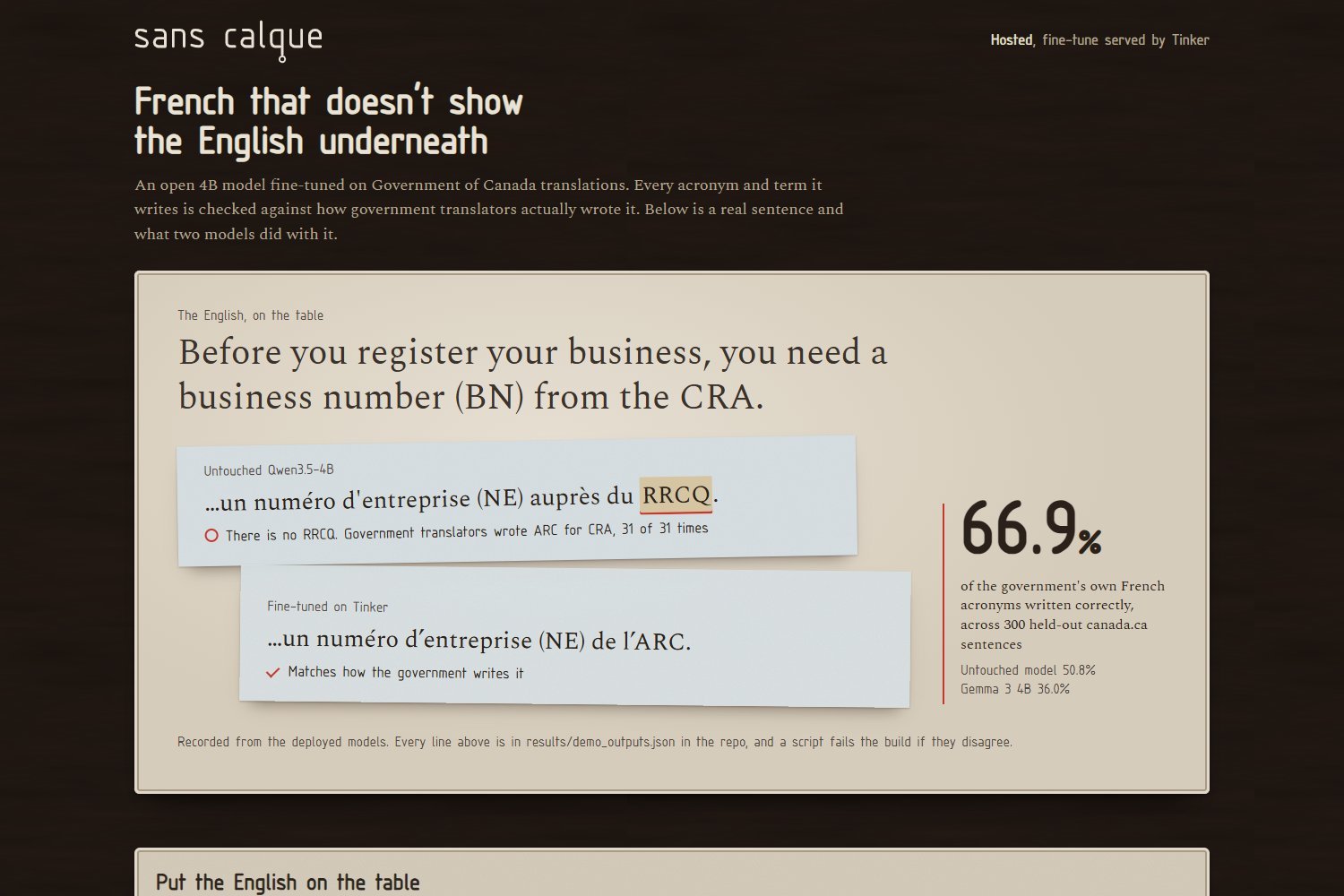
Sans calque: English to Canadian French from an open 4B model I fine-tuned for $1.35 on government translations, with every flag citing where its rule came from
Entry for the DEV Hacktoberfest Open-Source AI Challenge, Week 2: Side Hustle. Every page on my site has a French twin, so I gave an open 4B model a line any Canadian small-business page would have:…
Qwen3.5-4B fine-tuned on Tinker (LoRA rank 32, 2 epochs, about $1.35 per run)Open Government Portal: 82,455 English-French pairs under the Open Government Licence – CanadaTermium Plus, the Translation Bureau's term bank, as the source of every term flagHeld-out canada.ca small-business pages translated by Government of Canada translators as the grader+4
Oct. 2026
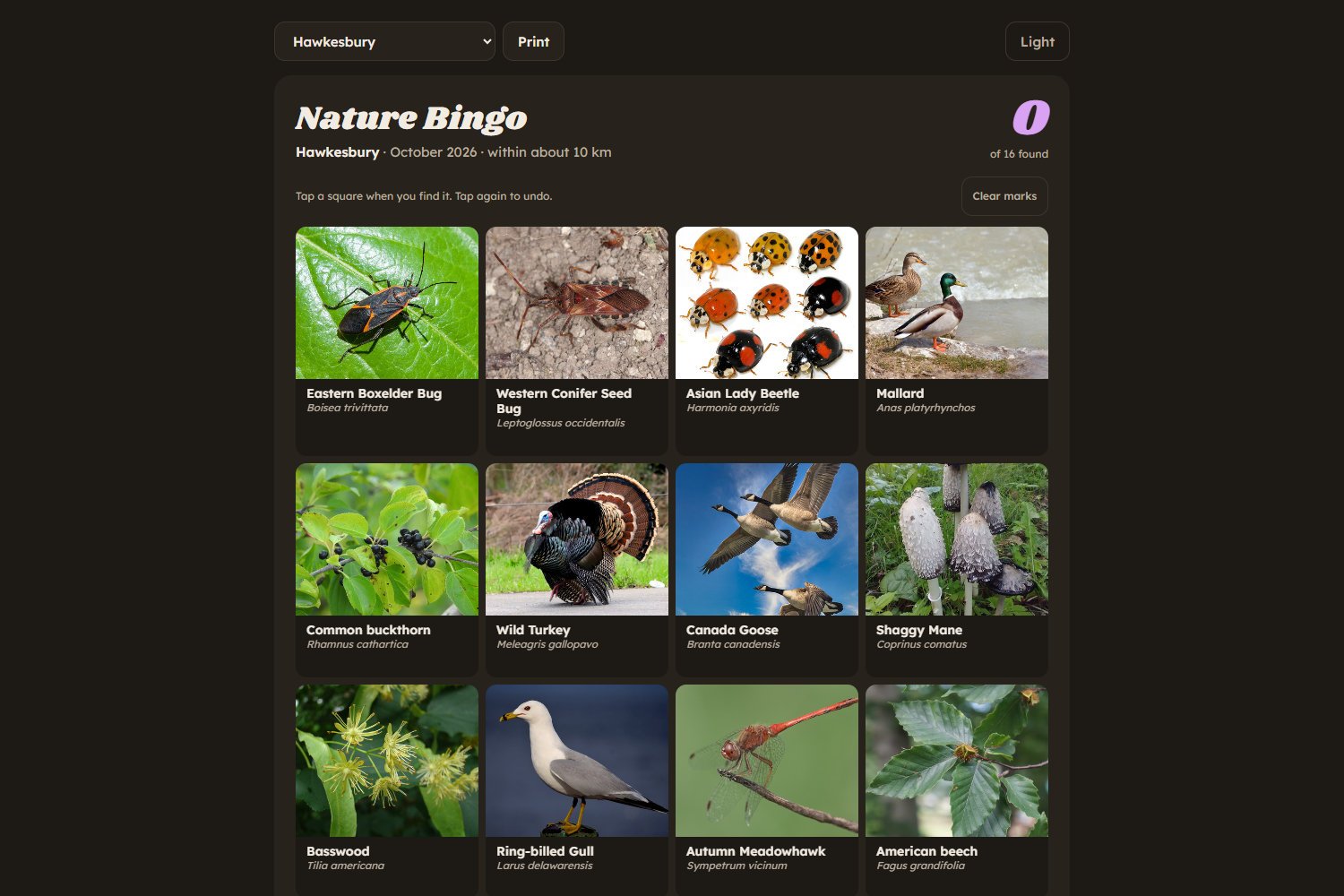
Nature Bingo: a bingo card of the 16 things most likely out near your town this October, ranked by an open-weight model on a laptop
Entry for the DEV Hacktoberfest Open-Source AI Challenge, Week 1: Touch Grass, whose brief asks for something that makes the screen the shortest part of the experience. Nature Bingo is a bingo card…
TabPFN, an open-weight tabular foundation model, run locally on a laptop GPU with no model API in the loopPublic iNaturalist observations: ten years of Octobers (2016 to 2025) across 48 towns between Ottawa and MontrealBlind backtest on October 2025 against three baselines: last October's list, the regional most-seen, and gradient boostingPython 3.12 with uv for the data pull, training and ranking+2
Oct. 2026
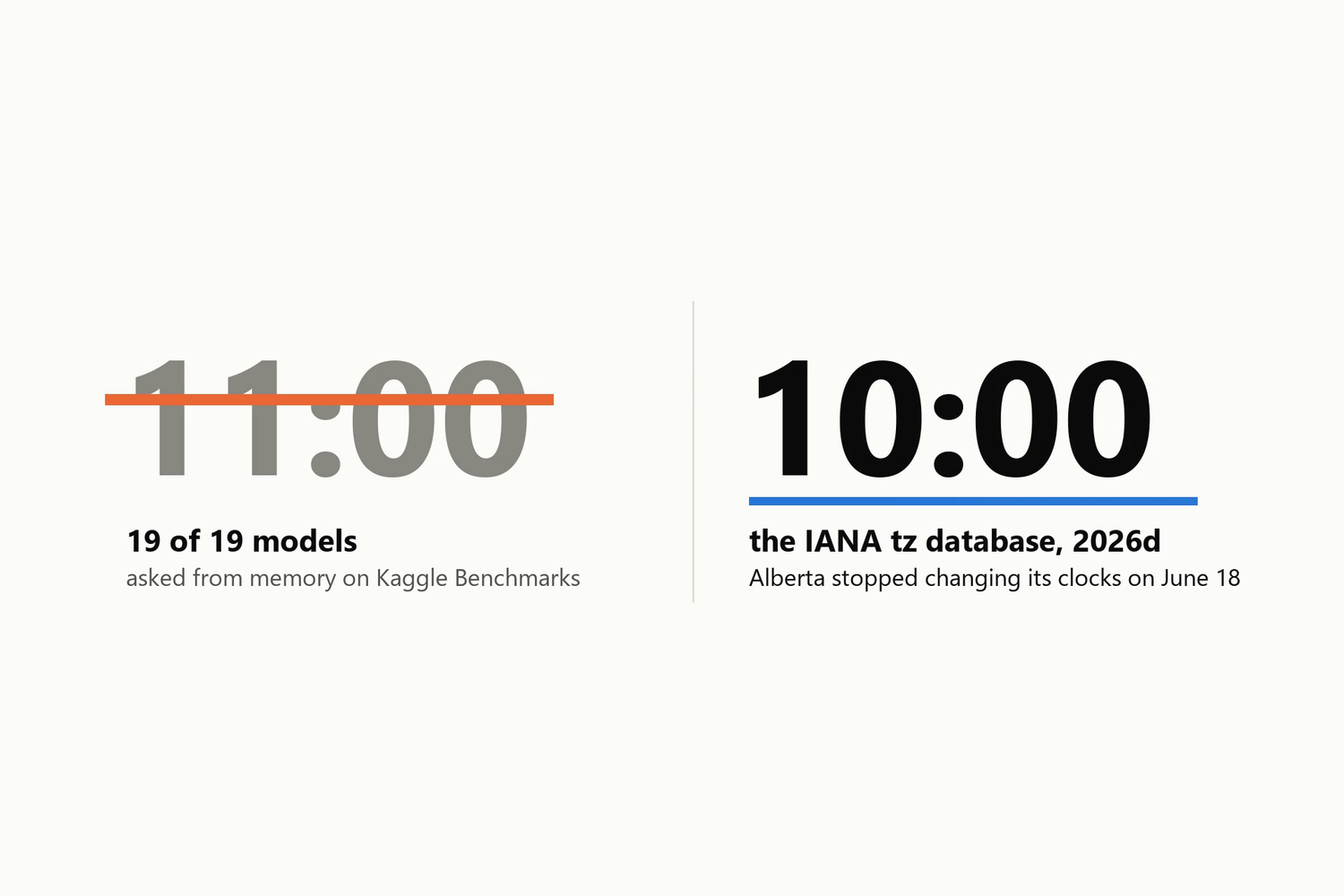
World Clock: a Kaggle benchmark that asks 19 frontier models what time it is, grades every answer against the IANA tz database, and dates each model's clock to the month it stopped
Entry for the DEV x Kaggle Benchmarking Challenge (23 September to 11 October 2026). On 18 June 2026 Alberta's Official Time Act came into force and the province stopped changing its clocks. British…
Kaggle Benchmarks and its Model Proxy, 19 models through one prompt at temperature 0IANA tzdata 2026d as the answer key, read through Python's zoneinfo so no expected answer is typed by handTwenty tzdata releases since 2022a kept unpacked, so the same answer sheet can be scored against every one of themThe dating ladder: the release a model agrees with most on the 46 changed answers is the month its clock stopped+5