50 Screens, 25 Tables, One Solo Developer, One Month
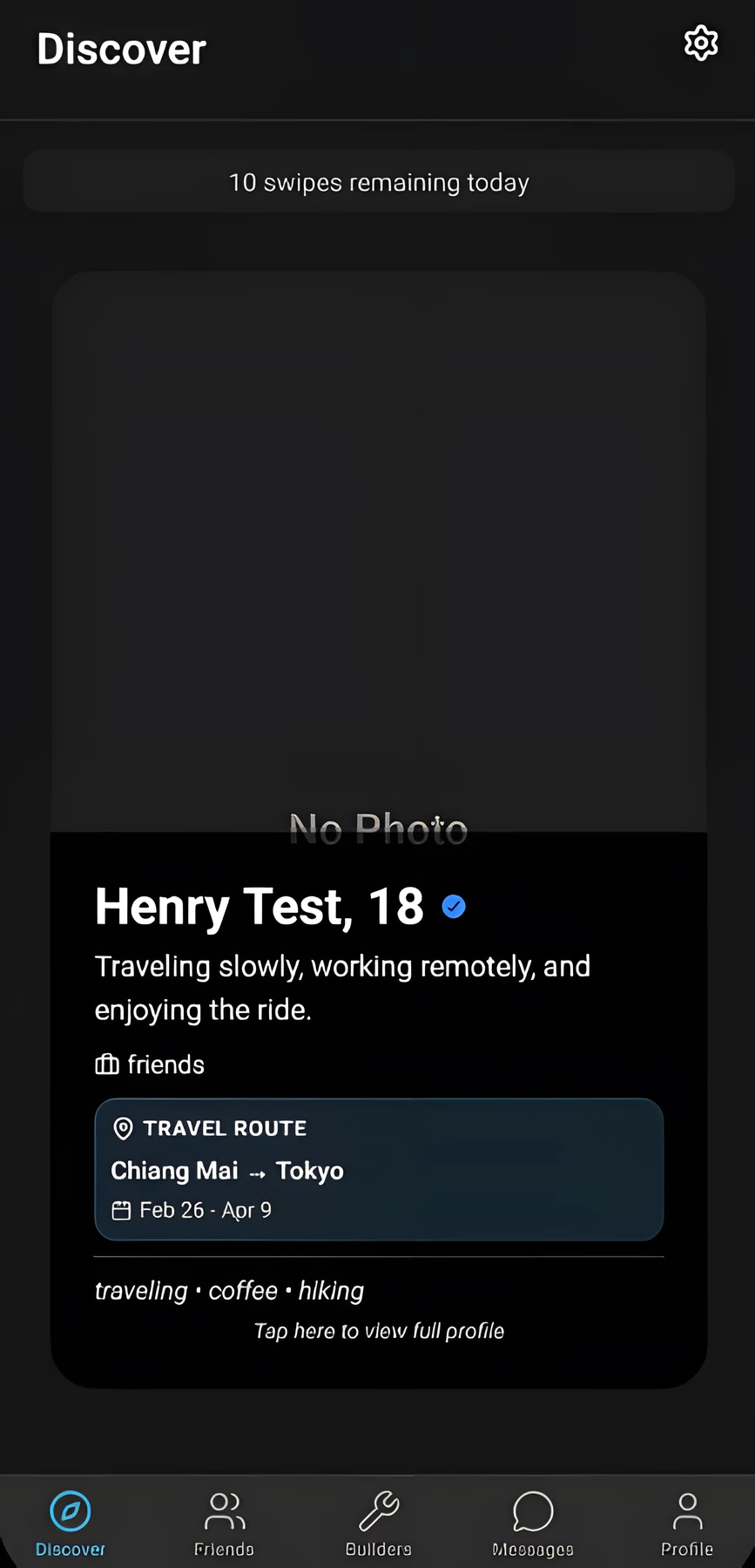
Building a real social platform for the RevenueCat Shipyard hackathon meant treating it like a startup, not a demo. Swipe-based discovery, real-time chat, convergence detection, RevenueCat-gated features, all behind Supabase Row Level Security.

Hackathon-grade apps usually die in the second week of use because the demo path is the only path the developer ever exercised. With Roamly I wanted to see how close to production-shaped a solo build could get in a single contest cycle.
Why I built it
Existing social apps assume you live somewhere. Nomads don't. The interesting question for someone moving every few weeks isn't 'who is near me right now', it's 'who is also heading to Lisbon in October, and can I trust them before I get there'. Nothing on the market answered that cleanly, so I built it.
What ended up on the table
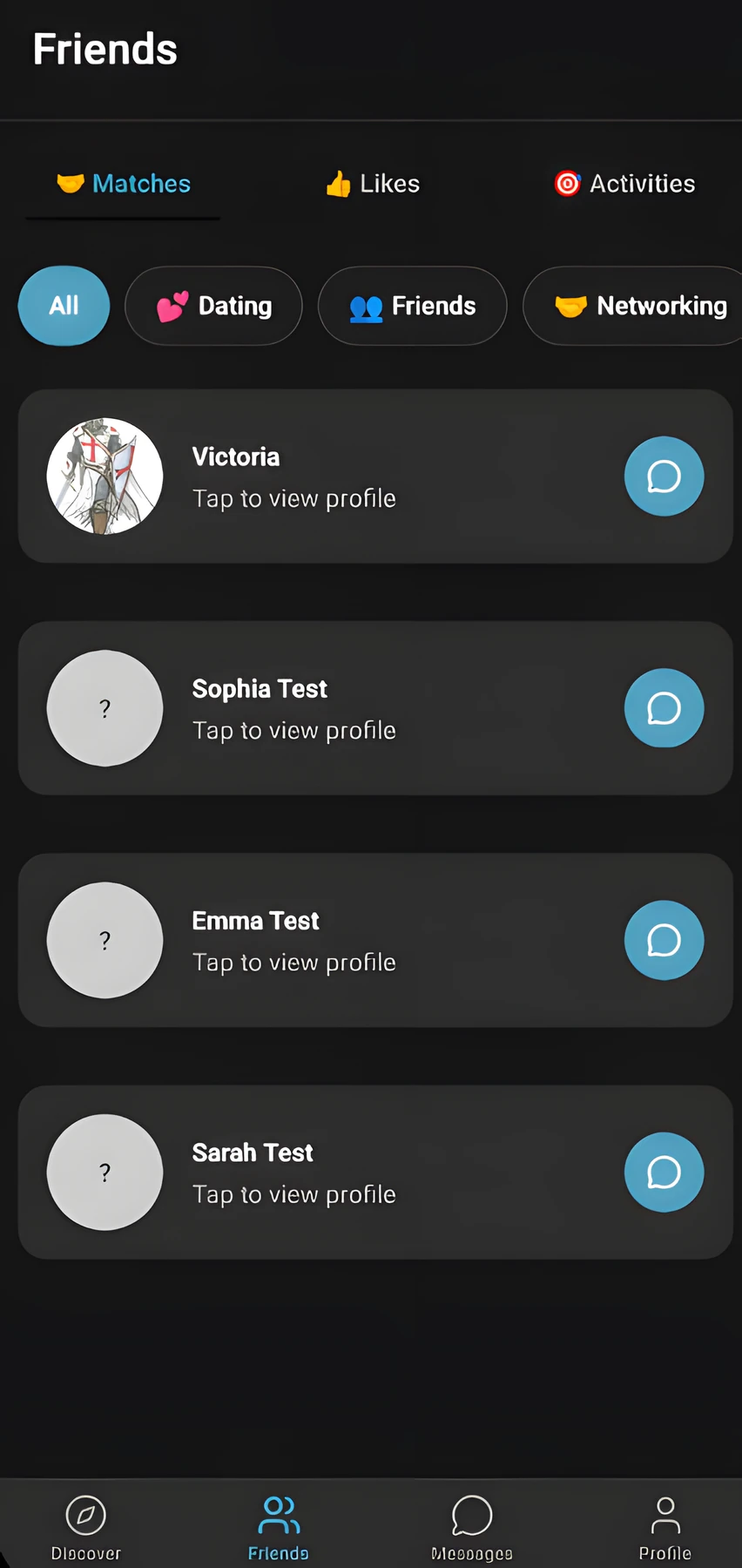
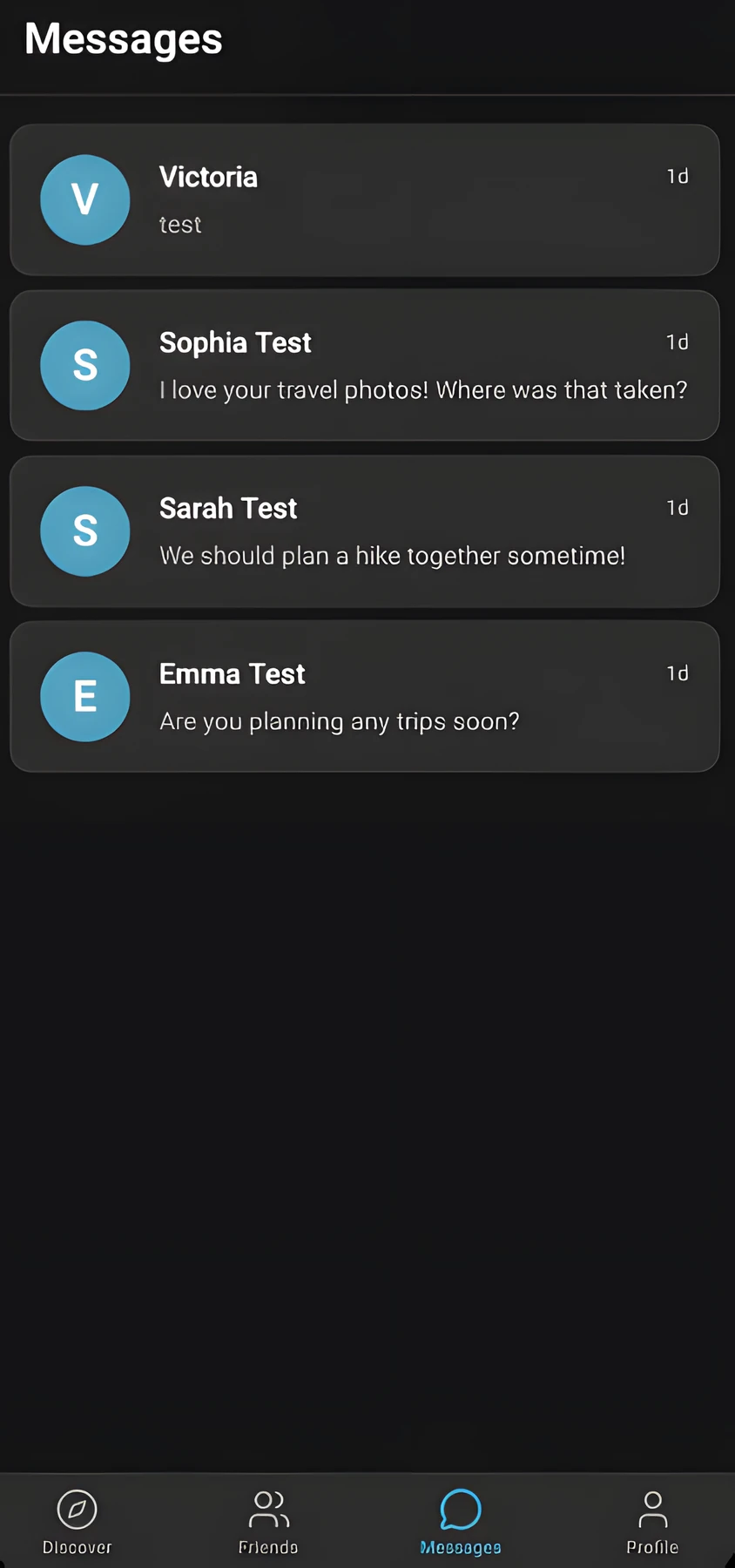
- 50+ React Native screens covering swipe-based discovery, real-time chat, group features, voice prompts, and a community-vouched verification system.
- A modular service layer of 15+ services and a Supabase backend with 25+ tables protected by Row Level Security and 20+ migrations.
- A high-performance swipe queue with background processing, local counters for instant feedback, smart caching, and Reanimated-based UI to keep heavy interactions at 60fps.
- Convergence detection for nomads heading to the same locations, multi-intent priority filtering, and compatibility scoring based on shared interests and lifestyle.
- RevenueCat feature gating, real-time chat sync, theme engine with instant switching across 5+ schemes, and safety tooling for blocking, reporting, and face verification.
How I built it
The stack is Expo and React Native with expo-router, Reanimated v3 for the swipe and animation surface, Supabase for the database, auth, and real-time channels, RevenueCat for subscription gating, and TypeScript end to end with auto-generated types from the database schema. State is split across five contexts (Auth, User, Theme, Subscription, Location) instead of one global store, so each screen only re-renders against the slice it actually reads.
The swipe queue
The swipe queue went through three major revisions. Version one wrote to Supabase on every swipe and stuttered. Version two batched writes but lost swipes when the network dropped mid-session. Version three is what shipped: a local counter that updates instantly, a background processor that drains the queue into the database, and a smart cache that pre-fetches the next batch of candidates before the user runs out. The Reanimated layer runs animations on the UI thread, so the database round-trip never blocks the card transition.
Why RLS was the unblocker, not the bottleneck
Supabase Row Level Security gets a reputation for slowing you down on day one. It's the opposite over a project's lifetime: every new screen ships with the security model already in place, every join clears the same policy filter, and you never write 'check the user' in code. With 25+ tables, that discipline was the only reason the codebase stayed sane.
What was hard
Three things took real time. First, keeping swipe animations at 60fps while the queue, the cache, and the realtime channel were all firing at once: that was solved by pushing every animation onto Reanimated's UI thread and keeping the JS thread for queue drains only. Second, designing a verification system that resists abuse without becoming a moderation queue: the answer was community vouching with a threshold that auto-verifies once a user collects enough vouches from already-verified accounts. Third, subscription gating without polluting every component: a single useFeatureGate hook reads RevenueCat state from the Subscription context and returns a boolean, so feature checks stay one line.
What I cut
Voice rooms, gift economy, and a 'pen-pal mode' all sat on the wall. None survived the cut to ship. The product is stronger because the features that did ship are the ones a nomad would actually open the app for: who's heading where I'm going, can I trust them, can we talk.
What I learned
- Optimistic local state plus background sync beats waiting on a database round-trip every single time, for chat and for swipes.
- Splitting global state into five small contexts is cheaper to reason about than one big store, especially when Theme and Location update on different cadences.
- Auto-generated TypeScript types from the Supabase schema catch more bugs at compile time than any test suite I would have written in the same hours.
- Community design matters as much as code. A social app is whatever the verification rules let in.
What's next
Immediate: beta testing with real users, push notifications for matches and messages, expanded moderation with automated content filtering, App Store and Play Store submission, and performance work for lower-end Android devices. Next: Atlas AI for intelligent route convergence (the integration is wired up and commented out for V1), video prompts on top of voice prompts (infrastructure already in place), group events and shared itineraries, and calendar integration for meetup scheduling.
Roamly: Social Discovery Platform for Modern Nomads (RevenueCat Shipyard: Creator Contest)
View the project
Shipping a Bilingual Marketing Site That a Quebec Team Can Own
Roofing and solar buyers don't read marketing copy linearly. They scan for trust signals, hours, and 'does this person know what I have on my roof?' The AL Pro build is tuned for that, bilingual, scannable, and SEO-hardened against AI-driven audits.
Turning a Phone into a Director Workflow
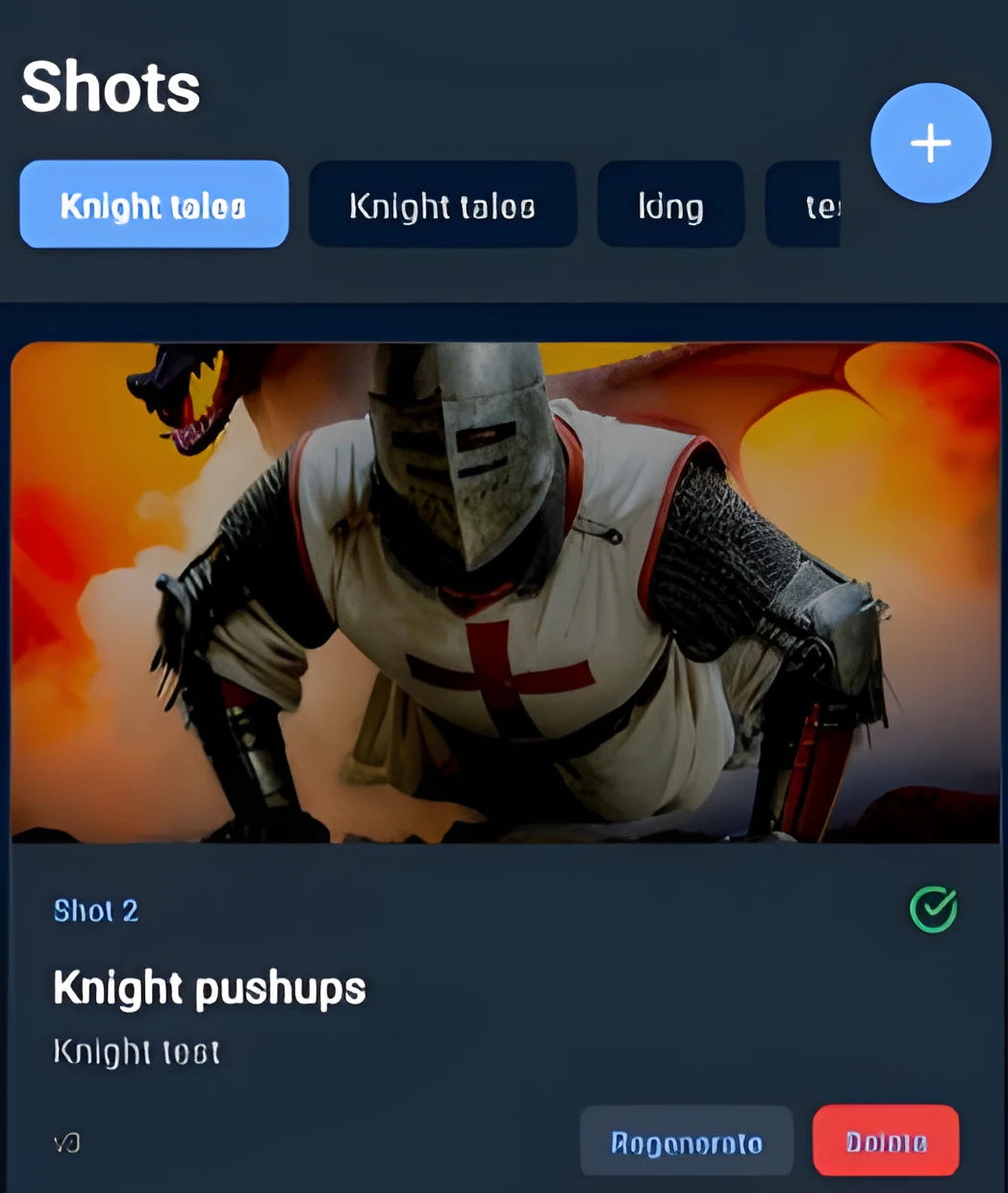
Most AI generators want you to prompt one image at a time. Shot Supervisor flips it: a project breaks down into scenes, scenes into shots, and Bria FIBO's deterministic JSON-native control keeps the visual language consistent across all of them.
Related reading
The couch that would not go down the stairs, and the phone that now says so before you buy it
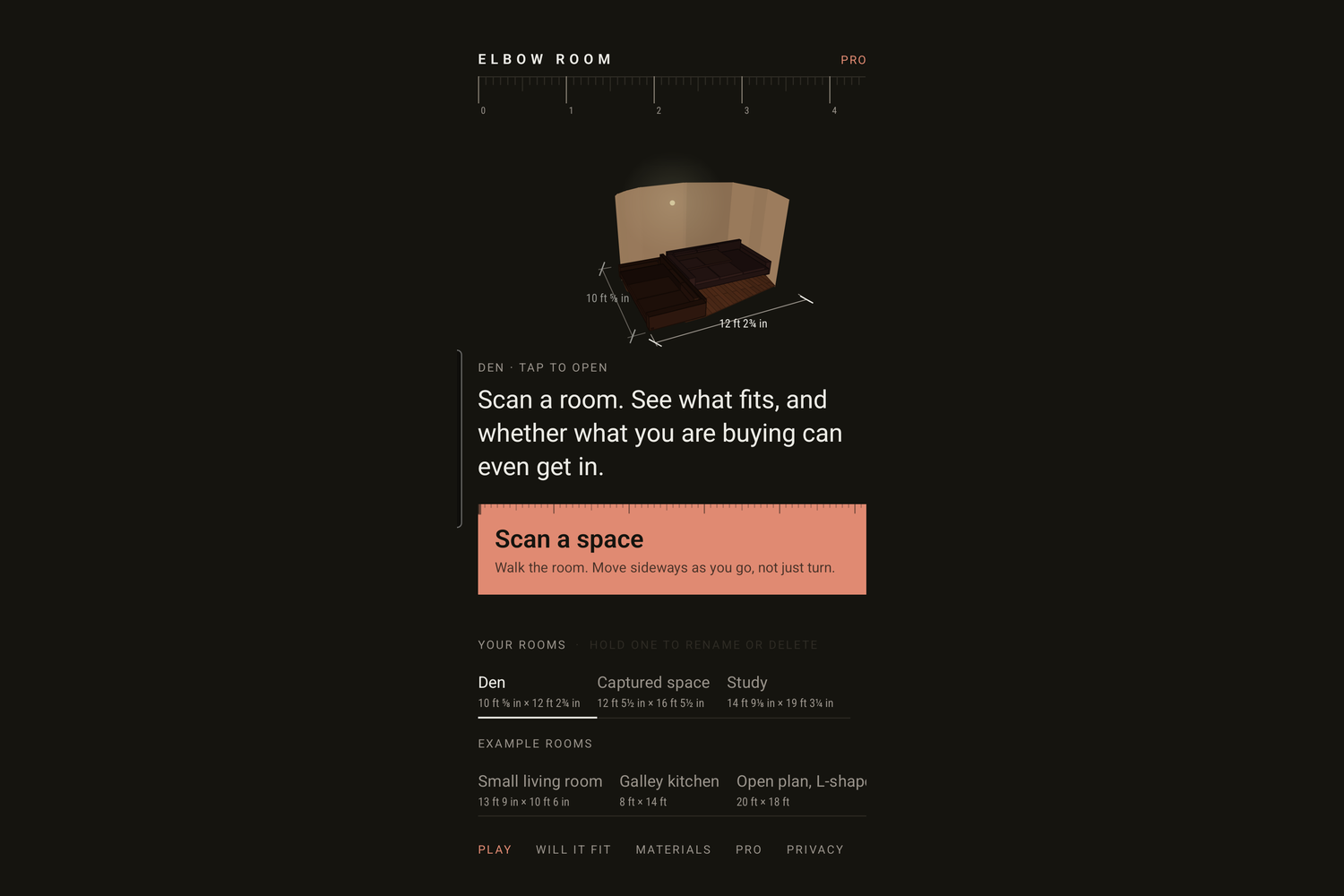
I bought a couch that would not go down my basement stairs. The flight turns ninety degrees on three winder treads, and I found out halfway, with the couch wedged and the wall gouged. Then a flood forced a water heater replacement and two installers brought a 279 litre tank down the same stairs. Two objects, one staircase, nobody measured it either time. Elbow Room Mobile scans a room with an Android phone that has no LiDAR, gives it back as a 3D model you can design, furnish and walk as your Sim, and answers the question no furniture app answers: can the thing actually get in. A three-seat sofa in the example house clears the front door and the hallway, then loses by 2 ft 10 in at the turn. The solver behind that is checked against the published closed form for a zero-width rod, which is the one part of the receipt I did not write the answer to.
Turning a Phone into a Director Workflow
Most AI generators want you to prompt one image at a time. Shot Supervisor flips it: a project breaks down into scenes, scenes into shots, and Bria FIBO's deterministic JSON-native control keeps the visual language consistent across all of them.